The first thing you have to do is find a sweet little vintage camera. I like my Kodak Duaflex II, but I know others use various cameras. As long as you can shoot your digital camera into the viewfinder of the old film camera you are good to go.

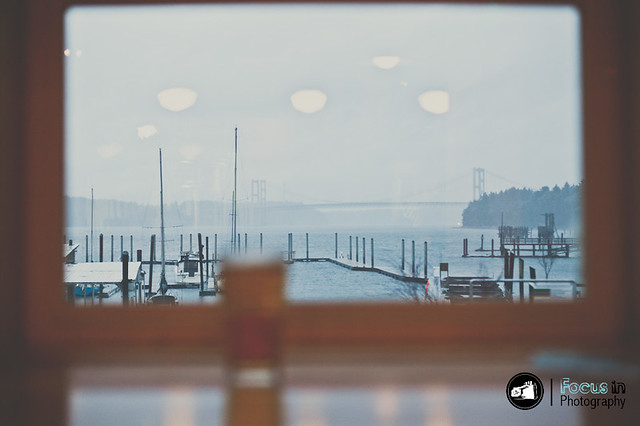
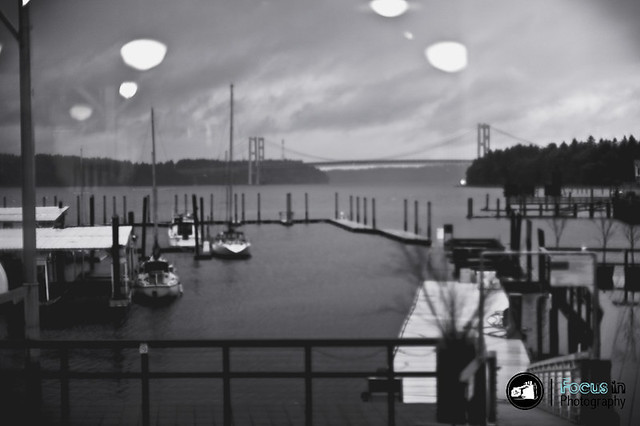
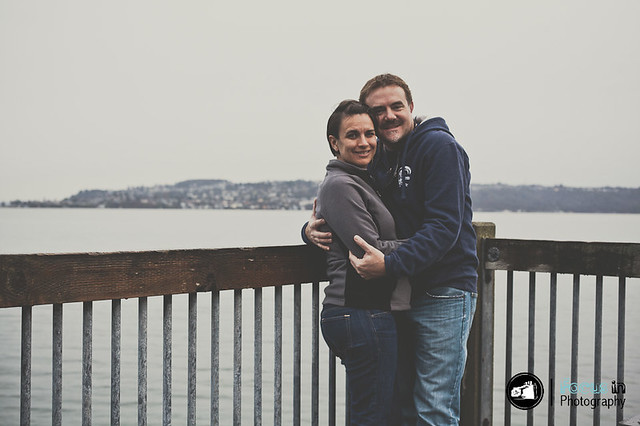
Now that you have a camera, what do you do? You could just shoot straight down into the viewfinder holding the old camera in one hand and your digital camera in the other- If you did that, you would get something like this.

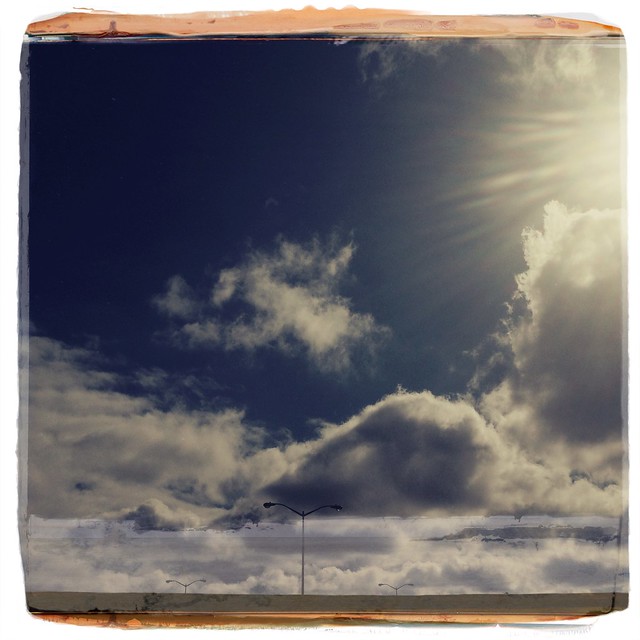
or like this

Totally fine but what I like is the clean look that you get when you build a 'contraption' around your old camera. It doesn't look too cute and you might get a few funny looks while out in public but it sure does make for fun results.
Here is my contraption.

I used a cereal box (any soft cardboard will work) and then made a box around the top of the camera (the duaflex has a 'flip top' lid that covers the viewfinder so this is why you build up). You want to try to cover all the light leaks, hence the blue painters tape. The height of your box will vary depending on the lens you are shooting with. I usually switch one of my lenses that allows me to zoom in or do macro shots. While you are building the contraption you will want to keep testing the lens of your digital camera inside to make sure it will fit- you will want to be able to give enough room for your lens to auto focus yet have it snug enough that it won't fall off. I have thought about modifying the 'contraption' to be a black fabric of some sort or another- sort of like a sock that I can stick my lens into but I haven't gotten that far. If you come up with something let me know!

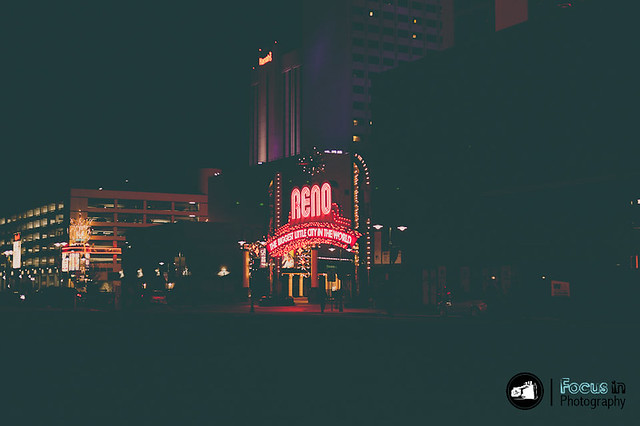
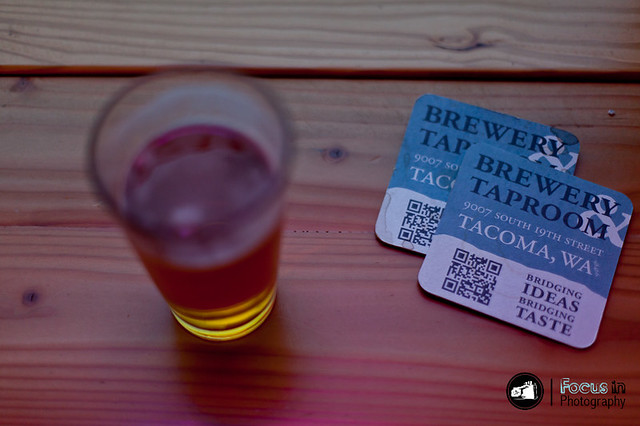
So you have your camera, you built your box now what? Go find a subject matter with lots of color- the more color the better. Set your lens on auto focus, stick that sucker into the contraption box and start shooting. I find natural light really helps get a nice clear photo. You might notice as you shoot and look at your results on the digital camera's screen or if you are patient enough once you come back in from shooting and upload your photos, that you are getting pictures that look something like this.

See all that black area around the shot? it is the box- to get a nice pretty crop around the actual viewfinder of the old camera head into your post processing software (picnik.com is free if you don't have any) and crop. I like to use the square template as my crop. I stay more true to the viewfinder/film size of the old camera that way. The next thing you might want to play around with in the post processing is the saturation, exposure and contrast- I find saturating my photos a bit more really makes them pop in this style of photography.

Now you might be asking, "But Vanessa, where the heck do I find a camera to do this with"? I picked mine up in at a thrift store (I actually have two now)or ebay is always a good place to look. I wouldn't pay more than $15 or $20 for one, I think I payed no more than $10 for each of mine. You can certainly use any camera besides the duaflex, when I first started using this technique I used my Yashica, but because it is so heavy and because I would cry if something happened to it I found a duaflex instead. I like the grain that the dust gives my photos, I have read that some people open up their camera and clean off the lens but I haven't done that.
Kathleen asked how I did the self portrait using this technique.

I set up my DSLR with the tripod and set my contraption on the floor- I think I might have stuck a book under it or used my mini-tripod to give it a bit more height. I then set up the cameras like I normally would, DSLR pointing into the contraption and the duaflex pointing at me. I set my timer and then got into place- alternately I could have used my remote but the battery went south on me so I was doing the ten second dash to get the shots from the other day.

What if you don't have a DSLR? You don't have to shoot these- Before I got my DSLR I used my Sony Cybershot.
You will just have to adjust your contraption accordingly and makes sure that when you zoom in that you can get the viewfinder into focus- try setting the camera on the macro setting (usually the tulip icon on the settings) and then shooting, this will help you zoom in close and stay in focus.

(you'll notice in the picture above that I just got a reflection back of my camera in the viewfinder of my 'old' camera- this is why the 'contraption' is so important. It blocks out the light around and lets the viewfinder be the star of the show.)
This flickr group has a ton of really amazing inspiration and also a great discussion group to help you out along the way. The lovely Andrea over at Hula 70 also did a tutorial (and taught a class at Squam) about TtV here is here how to.
I am no expert on this but since you all asked I wanted to share how I go about the process.
Now get out there and show me what you can do!!! share with me okay???!